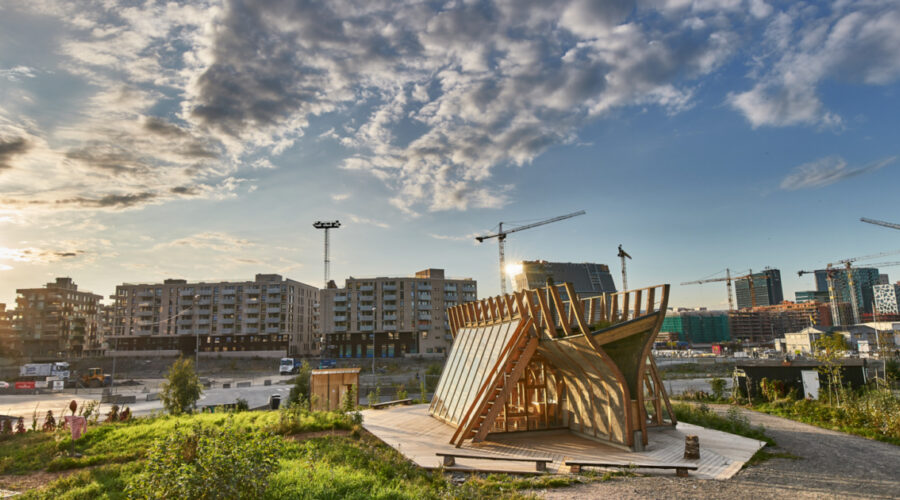
Areas under pressure are often understood as places where there are competing and self-reinforcing impacts from planned and proposed development of industry, housing, energy, and minerals, as well as from climate change. Implicitly, this means that there are other places that are not under pressure – empty and unused places that, due to a lack of economic activity, are ready for development to reduce pressure elsewhere. A recent example was Statnett’s proposal for a new power line through cultural and natural landscapes in Nordhordland because the pressure on the existing power line through Bergen was considered too high. This understanding of emptiness contributes to Norway leading the loss of nature in Europe. With the loss of nature, knowledge and skills that have safeguarded natural and cultural landscapes that have sustained society for generations are also lost. This project investigates what these areas, apparently without pressure, are ‘full of’. The work aims to highlight that these areas are full of local initiatives for safeguarding nature through management practices and nature use that contribute to preparedness, climate action, adaptability, food security, health, and social inclusion.
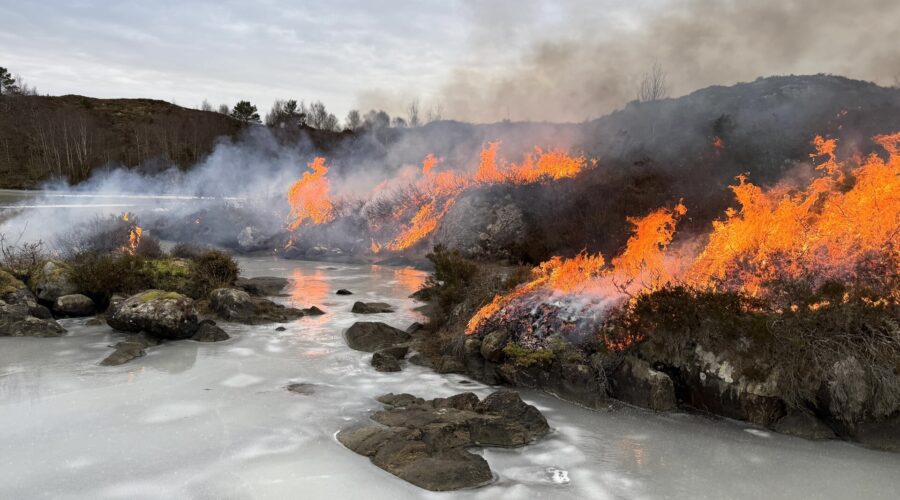
Nature-based solutions have become standard in climate adaptation, but this term can hide the cultural work that goes into preserving nature. Cultural landscapes are the most endangered ecosystem in Norway, and is home to many critically endangered species, according to the Ministry of Climate and Environment’s NOU on Nature Risk. The driver is that the stewardship of the cultural landscape has ceased. The reasons for this are many and complex and are partly related to the conversion of food production to more intensive forms that do not make use of local and extensive food and feed resources. When the stewardship of the landscape ceases, this leads to overgrowth which in turn increases the risk of natural hazards such as wildfires, floods, droughts and landslides. Climate change is intensifying these natural hazards, but where climate change may seem distant and abstract, management is concrete and practical. The project will investigate whether ‘Cultural-based solutions’ can become an important part of the toolbox for climate adaptation.
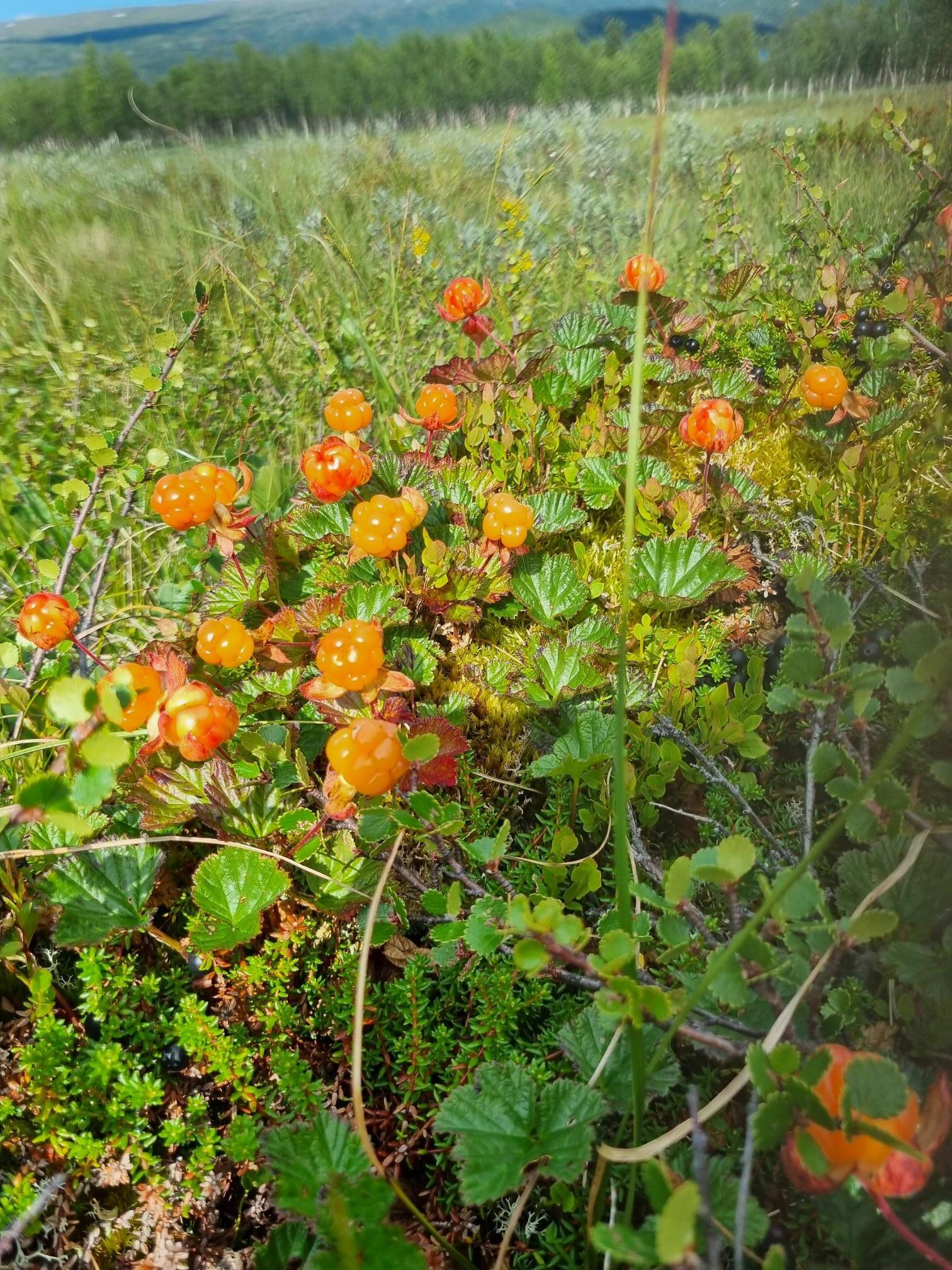
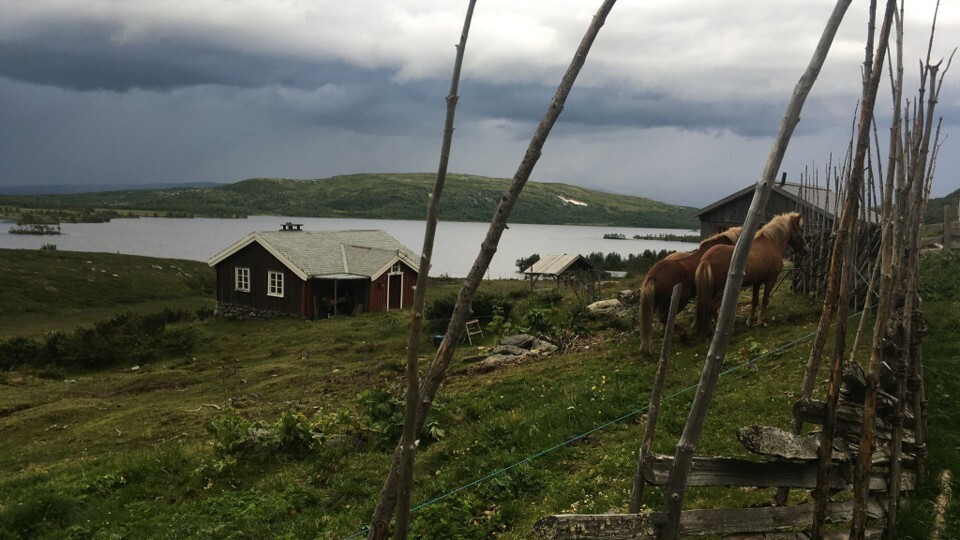
The study is carried out in four case areas that are presented below.